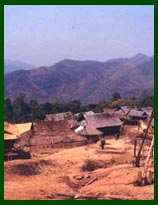
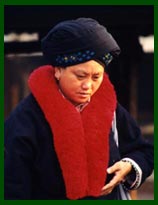
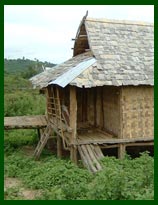
The Muang Sing Guide Service is a cooperative run by local guides and the provincial tourism office of Luang Namtha. All guides are local and can help explain the local culture and environment; and instruct visitors on important cultural do's and don'ts.
The guides look after gtrekers' safety; ensure village visits are beneficial for both tourists and villagers, and arrange food, water and sleeping in the village. The guides speak English (and other foreign and local languages), however, many are still learning and improving. We ask that you take the time and effort to help them out. When possible, guides who are fluent in relevant tribal languages will accompany you.
This one-day walk visits ethnic villages on an easy to moderately diffult trail.
Head off to seven different villages located in the Muang Sing Valley including the major ethnic minority groups: Hmong, Akha (Pouli, Dtee Jaw, and Pian), and Khamu.
The landscape is a variety of forests, agricultural fields and typical footpaths used by the villagers.
Time: Full day. Depart 9:00 am, return 4:30 pm. Approx. 5 1/2 hours of walking.
Difficulty: Moderate (difficult bridge crossing, mild uphill)
Terrain: Shaded footpath, healthy forests, variety of agricultural fields
Ethnic Groups: Hmong, Akha Pouli, Khamu
Number of Villages: 7
Food: Lunch included
go up
This full-day trek presents a challenging mountain hike that passes through ethnic villages along the way to a mountain peak.
Journey through valleys and over steep mountain inclines, with views of Muang Sing, forests and rice fields, on the way to major Muang Sing ethnic villages: Tai Lue, Tai Neua, Akha and Hmong.
Time: Full day. Depart 9:00 am, return 5:30 pm.
Difficulty: Difficult (long day and steep inclines)
Terrain: Hike to the top of a nearby mountain, through agricultural fields, and forests, with excellent views. The path is steep but in good condition.
Ethnic Groups: Hmong, Akha Dtee Jaw, Akha Pouli, Lue, Tai Neua
Number of Villages: 6
Food: Lunch included
Transportation: Return trip from the last village is included.
go up
This popular 2-day moderate trek, with an overnight stay in Pawai Kao village (Akha) on a mountain peak, follows the same trail as the Pawai Kao 1-day Mountain Trek, but spends more time in the villages to experience their culture.
Overnight in Pawai Kao village accommodation.
Time: Day 1: 5 hours of walking plus rests and breaks in villages. Day 2: 6 hours.
Difficulty: Moderately Difficult
Terrain: Three hours of steep uphill climbing tothe mountain peak. Beautiful views of Muang Sing, some stream crossings and alternating patches of upland rice fields and forests.
Ethnic Groups: Tai Lue, Hmong, Akha Pfien, Akha Puree Nyai, Akha Puree Noy, Tai Neua
Number of Villages: 6
Overnight Village : Pawai Kao, Akha Pouli
Food: Four meals. Day 1: Lao-style picnic in the fields, dinner in the village. Day 2: breakfast in village, picnic on the trail.
go up
This 2-day trek offers a unique overnight stay in a remote Akha village deep in the hills of Muang Sing.
This hike is longer than the Pawai Kao 2-day Trek, and takes hikers to a destination further from town.
Spendthe night in Sop Ee Kao village(Akha), known for its tea plantation and idyllic location.
Time: Day 1: 5-6 hours walking plus rests and breaks in villages. Day 2: approx. 6 hours through forests.
Difficulty: Moderately difficult
Terrain: Day 1: uphill through villages. Day 2: downhill through forests; and mixed agricultural fields.
Ethnic Groups: Hmong, Akha Puree Nyai, Akha Puree Noy, Akha Pfian
Number of Villages: 4
Overnight Village: Sop Ee Kao, Akha Phouli
Food: Four meals. Day 1: Lao-style picnic on trail, dinner in the village. Day 2: Breakfast in the village, picnic on the trail.
go up
The Muang Sing Guide Service unit operates two different 3-day treks. Both combine some of the villages from the 2-day treks and extend the visit for a 2nd night and 3rd day.
The Pawai Kao-Sop Ee Kao 3-day trek heads to the peak of Pawai Kao for the 1st night and then traverses the mountain range to Sop Ee Kao for the 2nd night, before returning via Akha and Hmong villages through the valley on the 3rd day.
The Sop Ee Kao-Saen Aen 3-day Trek follows a similar itinerary, with a more challenging hike on the 2nd day.
go up
Lao food is served on all treks: sticky/plain rice, vegetables, meat, chili sauce.
Meals on overnight treks are prepared using simple foods purchased in villages: rice, vegetables and on some meat or fish. Purchasing food in villages helps generate income for villagers.
Vegetarians, vegans and other dietary restrictions can be accommodated. Tell the guide service in advance and remind the guide during the trek. Bring your own snacks/sweets.
Water is provided. It is recommended that trekkers take at least 2-3 litres and drink plenty on the trail. Reusable water bottles are provided to reduce plastic waste, or you may use your own .
On overnight treks, water is available in the villages and from streams. To reduce the amount of fuelwood used in the village, we recommend use water purification droplets. If you do not have any, you can purchase Providone Iodine at most local pharmacies in Laos.
Add 8 drops of providone iodine to 1 litre of water. Let it stand for at least 30 minutes before drinking. Using iodine on a short-term basis is safe. If you cannot use iodine, water can be boiled in the village. Remember that this takes time and consumes precious fuel wood.
Sleeping is included in the cost of the trek. The village benefits from a fee charged for each tourist on the trip, who spend the night. This fee is often placed in a village fund managed by the community, and is used for festivals, medicine, rice shortages and other needs.
Bring a sleeping bag, as blankets in the villages are limited. Sleeping bags or blankets are provided for those who require them.
It is traditional for guests to receive a massage upon arriving to an Akha village. As we are paying guests and come on a more frequent basis, a small fee is paid directly to the women and young girls who give the massage. This is another way the village benefits from tourism.
PLEASE, DON'T PAY EXTRA FOR THE MASSAGE. This is included in the price. Your guide will pay in a discreet and fair manner to avoid confusion and to avoid over-commercialization of this tradition.
For booking contact Mr. Bounlouam , Tel: (+856-20) 570-8138